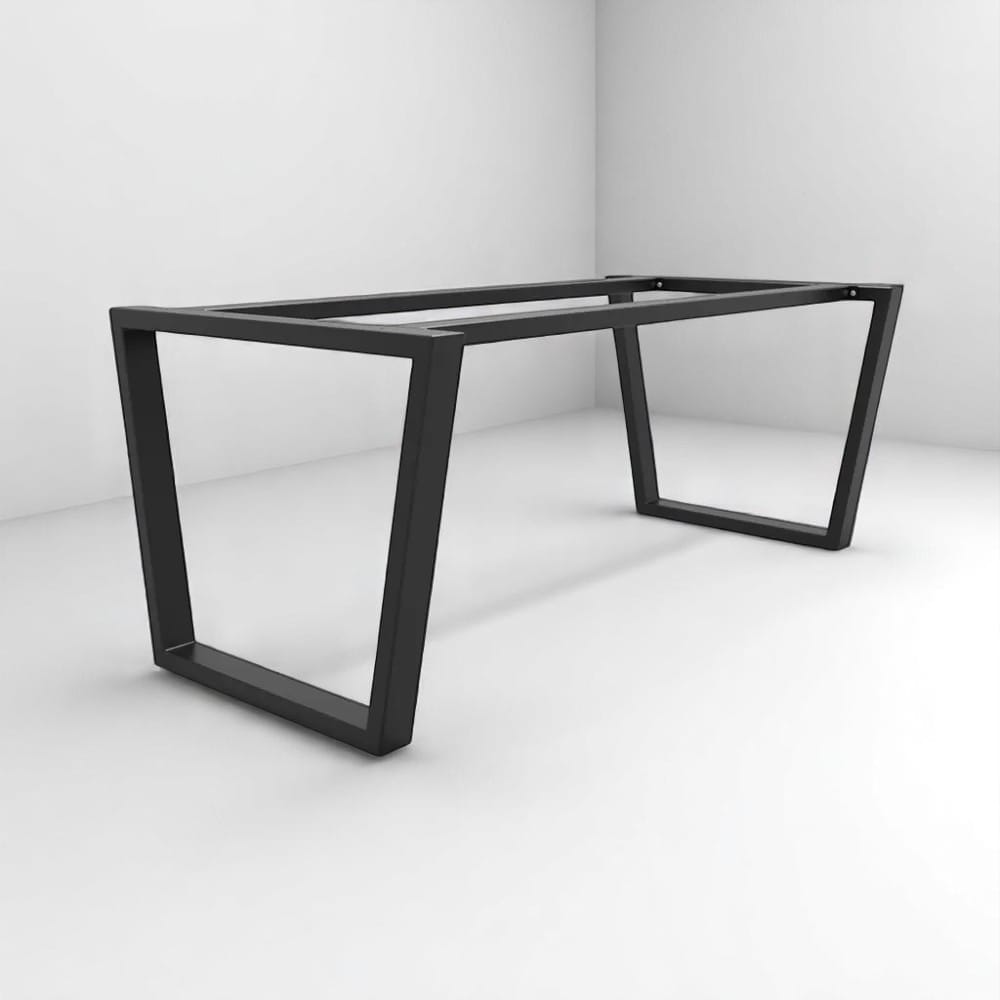
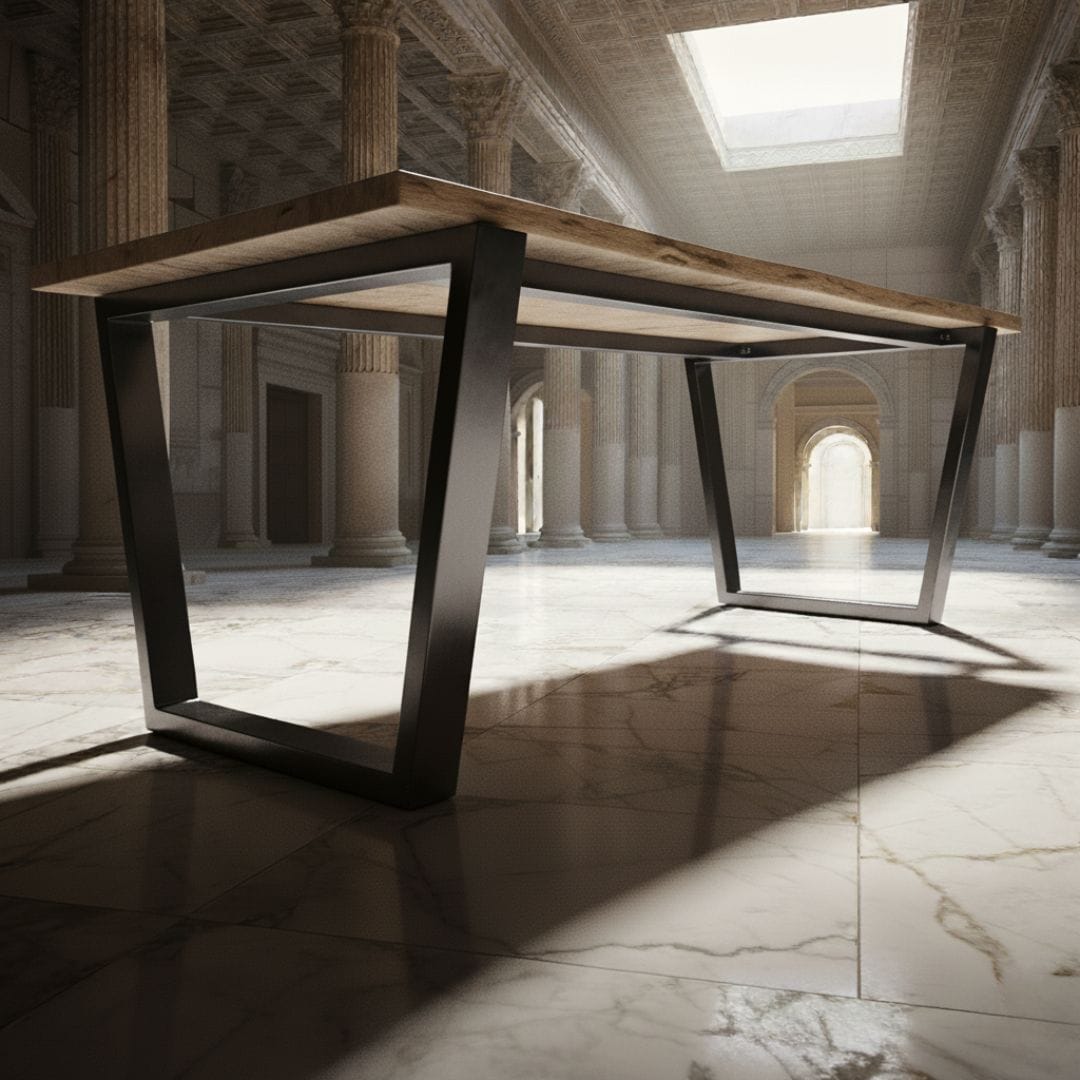
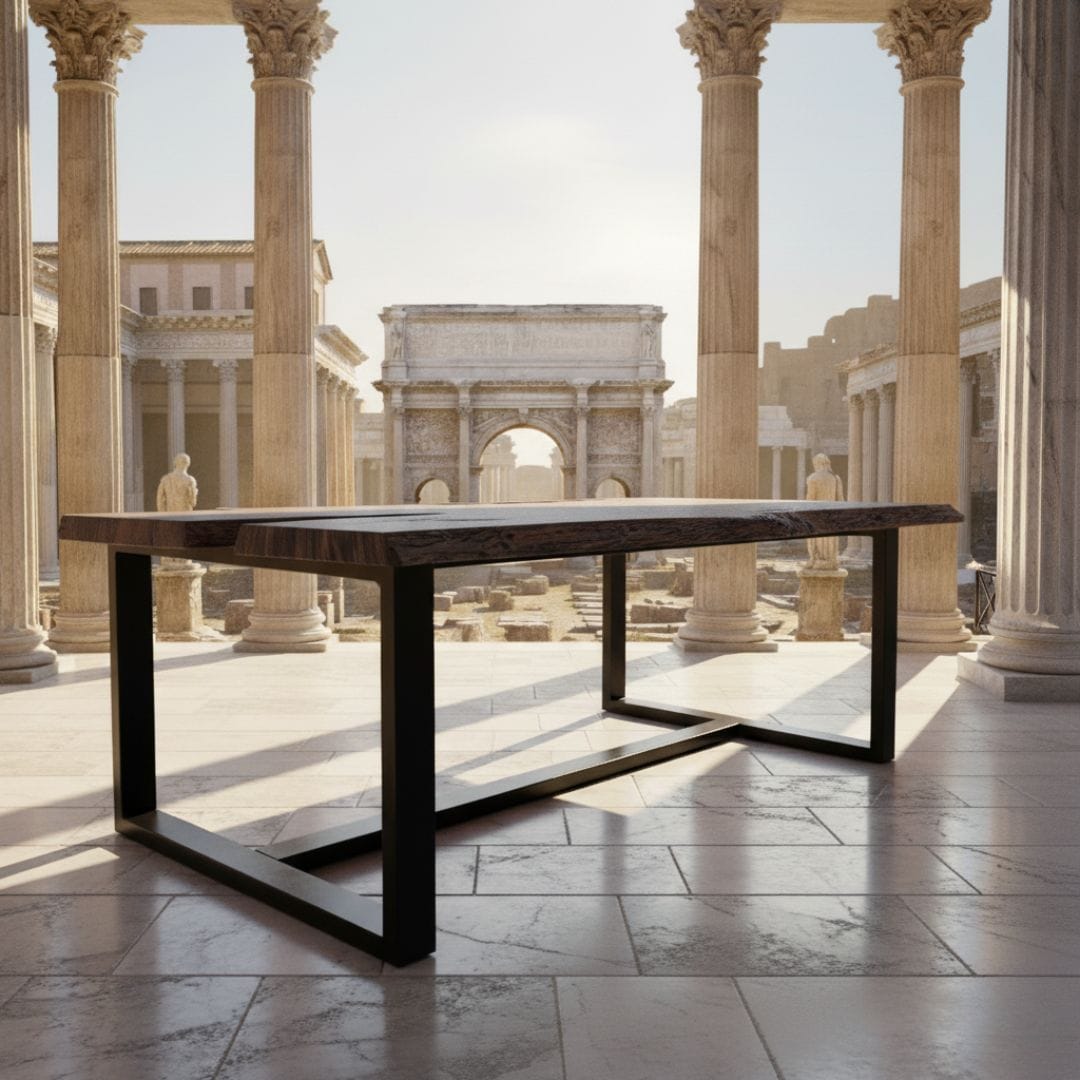
I purchased a table base from a super-fast, precise, and helpful seller. I was a little skeptical about buying a custom-made product online, but I was completely blown away. I highly recommend it.
Giuseppe Minel
The supporting structure of this table deserves a special mention. The legs and frame are incredibly sturdy, the paint/finish is impeccable, and there's not a single flaw. Even the fixing points are ultra-strong. If you're looking for a stable and secure table, this is perfect. The black Tolkien screws that disappear into the frame make the table even more beautiful.
Valeria Sala
Beautiful legs, I recommend
Andrea Mastropietro
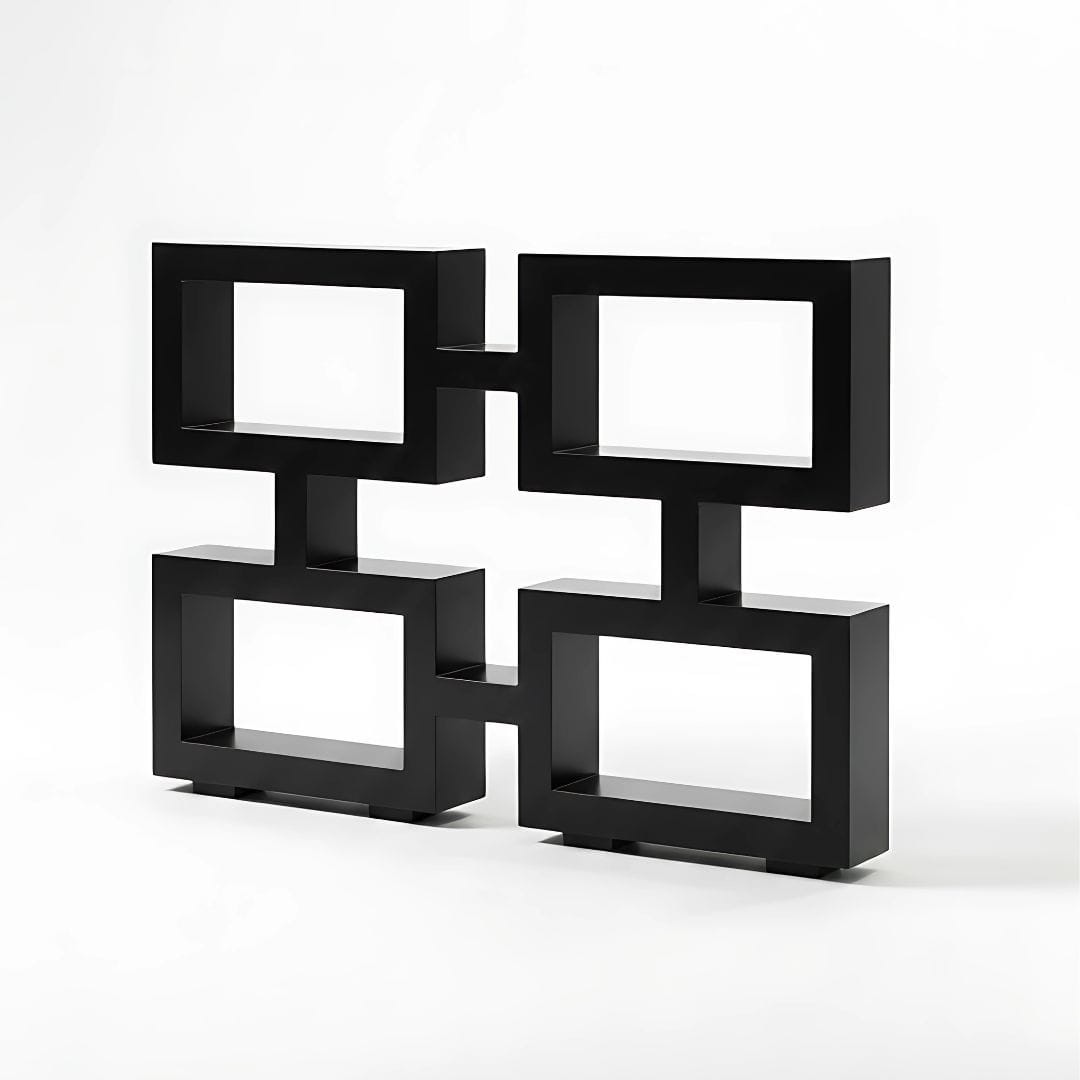
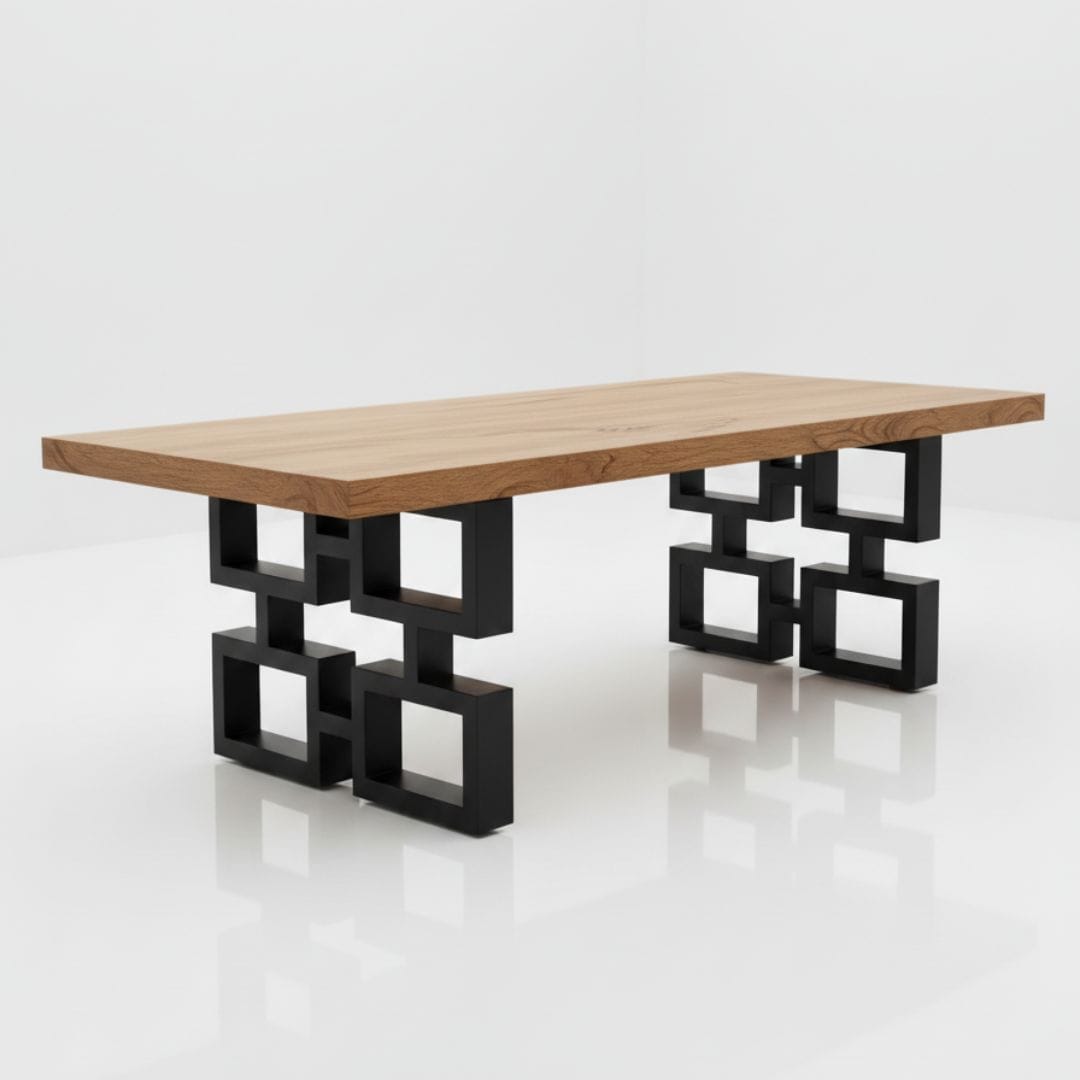
Aeterna model wooden table legs. Completely customizable. Top quality.
Luca Poggio
Perfect and fast work at a fair price!!! Well done!
Gino Borghesi
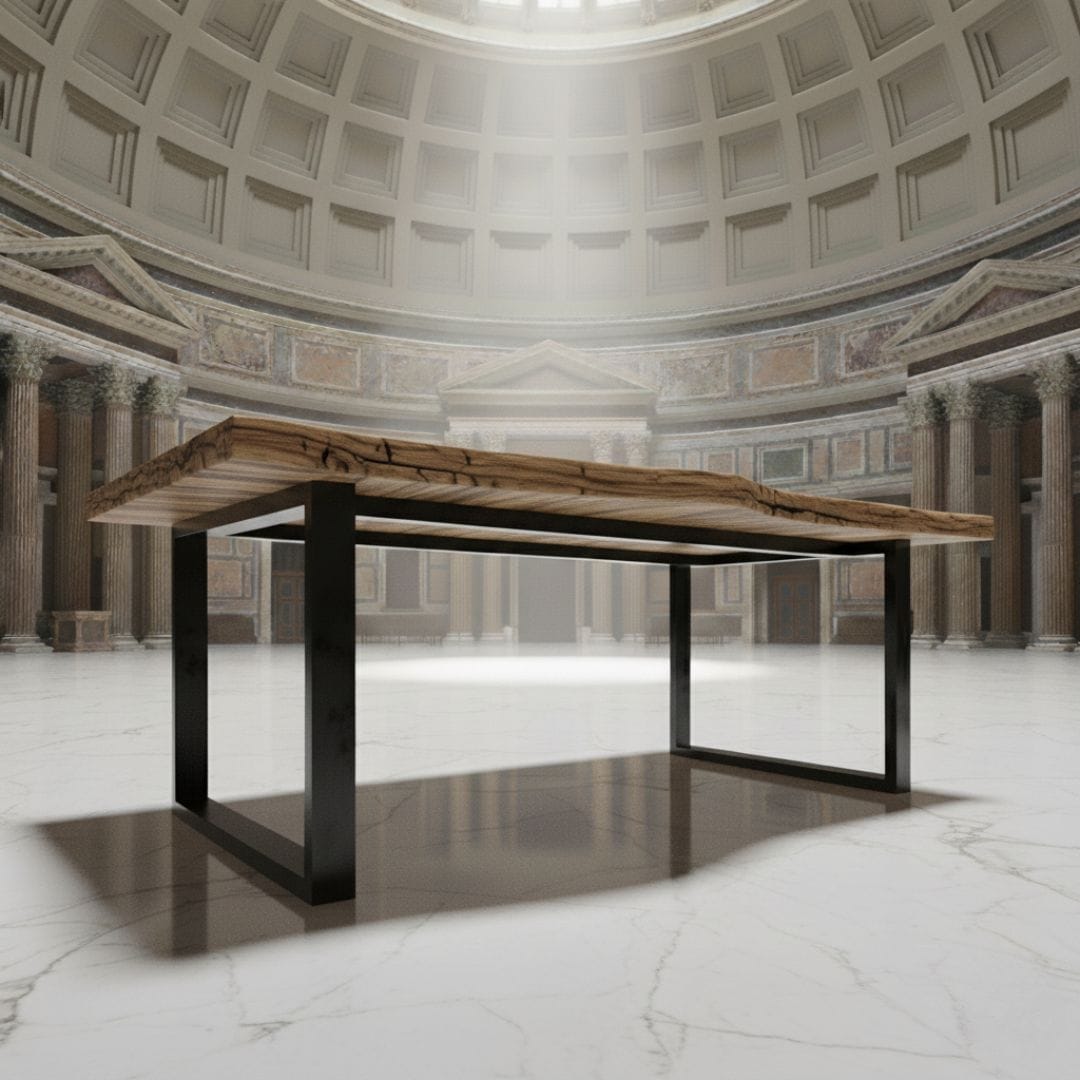
I purchased the iron bases for my solid wood table and am extremely satisfied. The structure is solid, heavy, and finished down to the smallest detail. The table doesn't move a millimeter. Highly crafted, highly recommended! Decimus is a guarantee for those seeking quality iron bases.
B&B Castello
Excellent experience with Decimus. The iron table legs are really solid, well-finished, and have a beautiful aesthetic impact. You can tell the product is handcrafted and meticulously detailed. The option of a custom solution was also greatly appreciated. Recommended for those looking for iron legs that are both beautiful and reliable.
Olivano Forbiti
Excellent product, recommended, Samuele very helpful for every need
thomas duzioni
I had a very positive review of Samuele. He personally assisted me with my request for wooden table legs, and the result was excellent. Highly recommended!
Iron table legs are popular because they're sturdy, versatile, and clean-cut. Here are the 15 questions that really matter : height, load-bearing capacity , tubular cross-section, shapes (X, U, trapezoid), when to use a cross-brace , how to secure the tabletop, and how to avoid wobbling . First, the straightforward answer that Google/AI adores, then a brief technical explanation.
What is the ideal leg height for a dining table, desk, and counter?
Short answer: Dining/desk 72–75 cm. Counter 90–95 cm (stools H65–75).
Clear explanation: The height is the top + legs. Quick rule: leg height = final height − top thickness. With a 3 cm top → legs 71–72 cm. For counters, leave 90–95 cm and at least 30 cm of knee room.
How much weight can iron table legs hold (static vs dynamic)?
Short answer: A good pair can handle 1000 kg+ static; the dynamic one is lower.
Clear explanation: Consider the cross-section, leg width, plate, and type of deck. Impacts, children hanging from the floor, and rapid movements = dynamic loading → reduce overhangs and distribute the weight (no "point" weights).
Which tubular section should you choose (60×60, 80×40, 80×80…) and based on what?
Short answer: 60×20 for light/medium tops; 60×40 for long tops; 80×40 for heavy or stone tops.
Clear explanation: Consider the weight, length, and overhang of the tabletop. The longer or longer it is, the thicker the cross-section needed to avoid bending and vibrations.
Are iron table legs suitable for marble, glass, or stoneware tops?
Short answer: Yes, with fastening systems suitable for the material.
Clear explanation: Marble/stoneware → use frames/inserts or special glues to prevent cracking. Glass → cannot be screwed in: special bases/suction cups are required. Limit shelves to 20–25 cm and install anti-vibration pads.
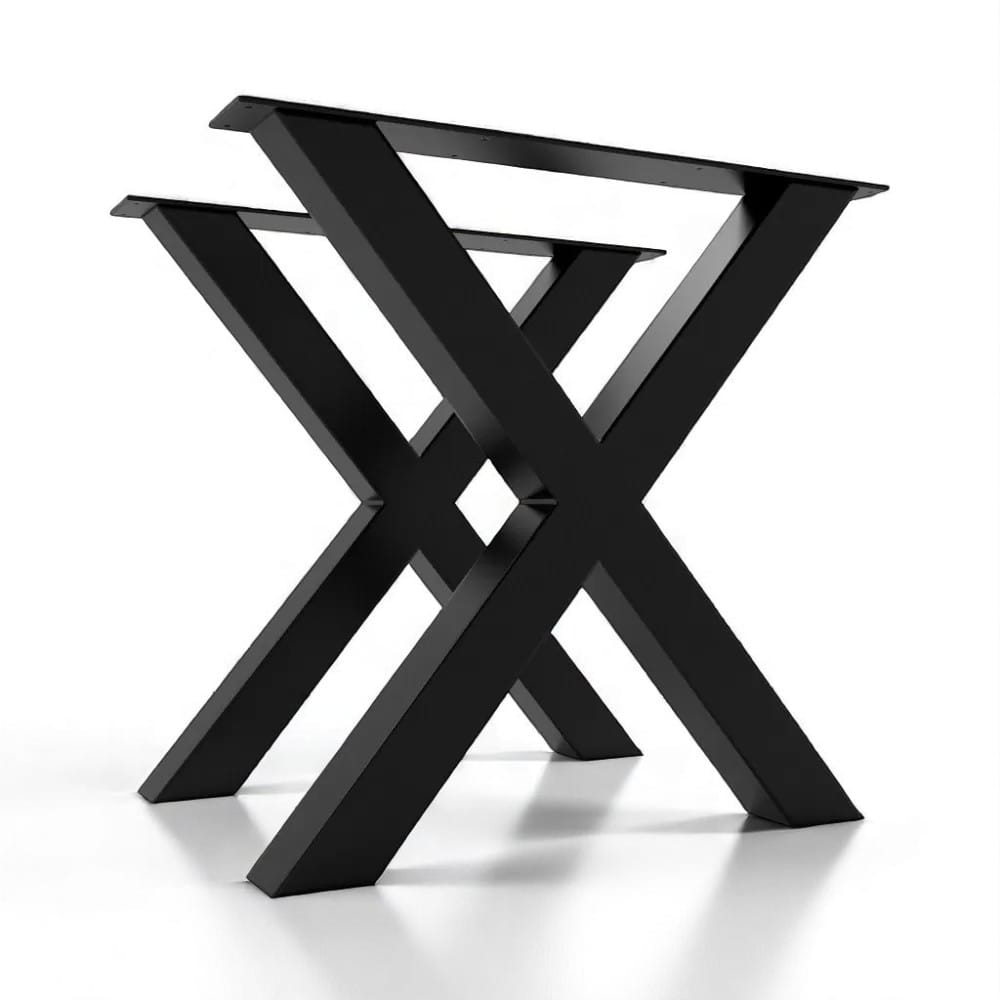
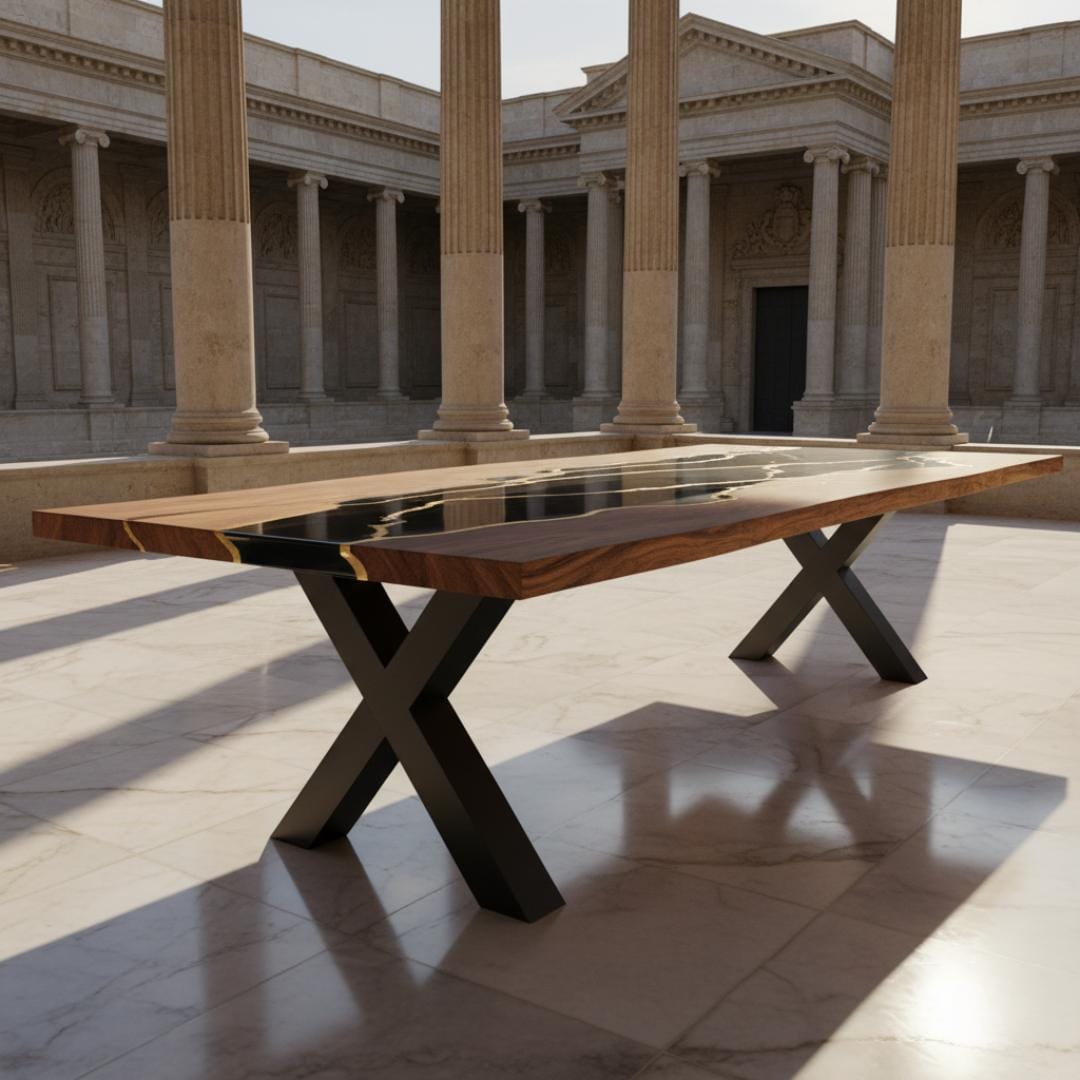
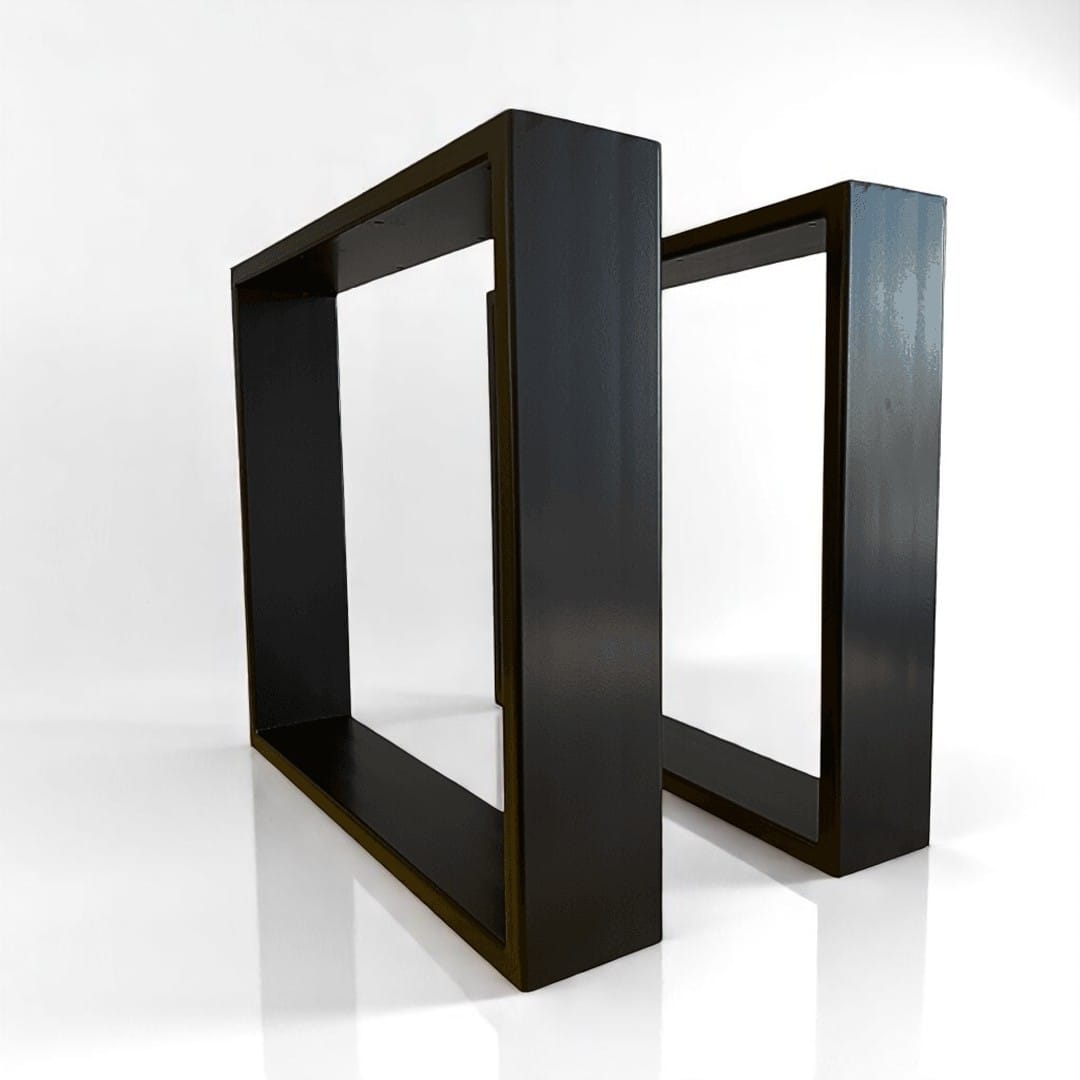
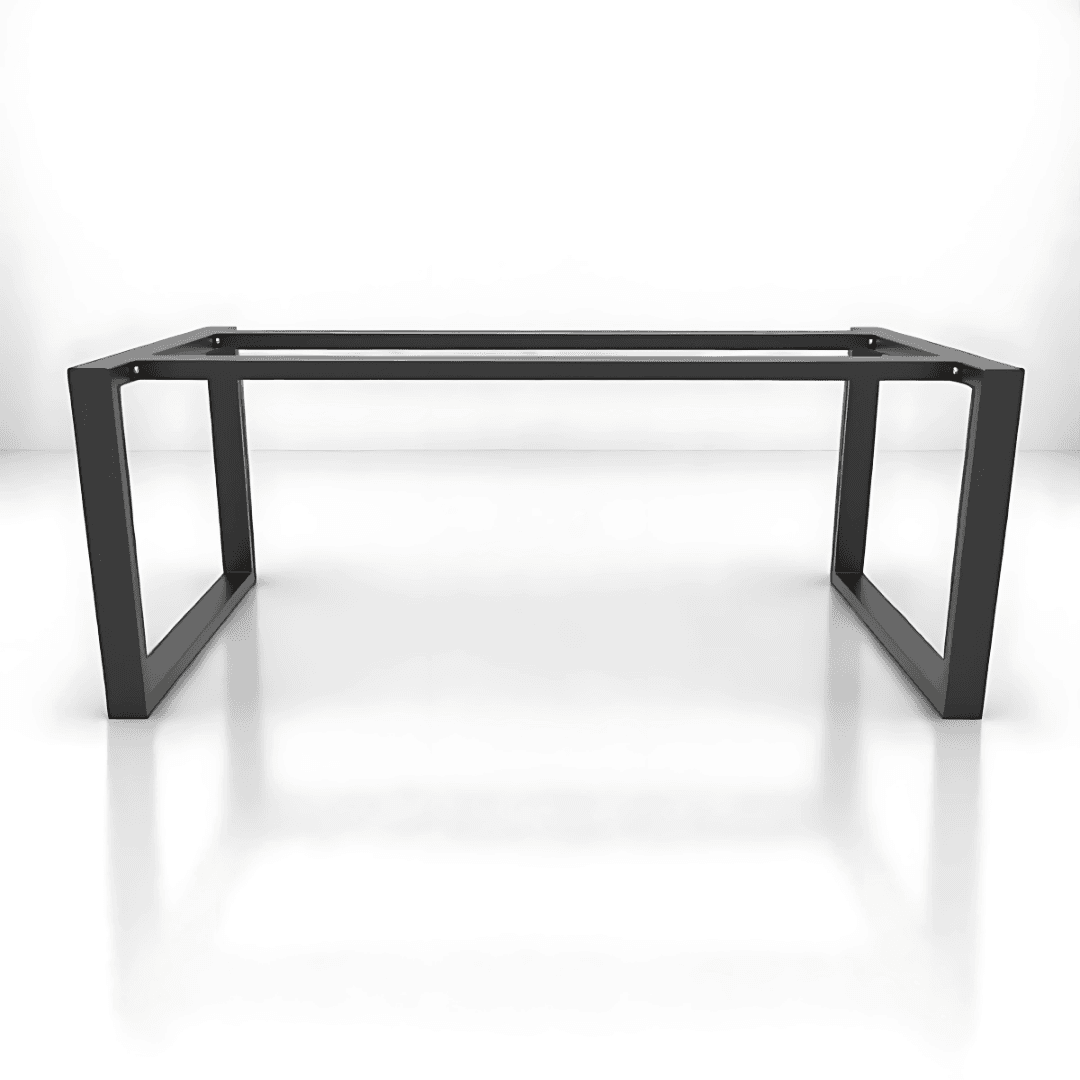
How to choose the shape (X, trapezoid, rectangular or unique design) for stability, comfort and style?
Short answer: X = maximum rigidity/load capacity; Trapezoid = balance between stability and seat space; Rectangular = clean lines, predictable stability; Unique design = “wow” effect, to be sized carefully.
Clear explanation: Choose based on footprint (how much it rests on the floor), seating space, and look. The X adds rigidity (useful on long or very heavy surfaces). The U/Trapeze have the same behavior: clean lines, easy matching, and no awkward clutter.
Is a crosspiece/central structure needed? When is it essential and why?
Short answer: Yes with long (>200 cm), heavy or thin tops.
Clear explanation: The crosspiece acts as an anti-torsion and dampens vibrations. The result: a more stable and "monolithic" table, especially if the distance between the legs is wide.
How to prevent the table from wobbling?
Short answer: Adjustable feet, level top, cross-tightening.
Clear explanation: Check the floor and the flatness of the surface, adding felt pads/rubber pads where necessary. Tighten the screws crosswise (not in a row) and check again after 24–48 hours: the wood will settle.
How to properly fix the legs to the table (screws, plate, template)?
Short answer: Wood: Screw with suitable screws (≈2/3 of the thickness of the top), tightening crosswise. Stoneware/Marble: No screws → Fix with specific structural glues (MS-polymer or epoxy).
Clear explanation: Wood: Use screws approximately 2/3 the thickness of the top (e.g., 30 mm top → 20–22 mm screws). Stay at least 25–30 mm from the edges and tighten crosswise to avoid twisting. Stoneware/Marble: Do not drill; they are fixed with special structural glues (MS-polymer or epoxy) applied between the plate and the top to ensure adhesion.
Slim vs. Heavy-Duty Legs: When Should You Choose One Over the Other?
Short answer: Slim = same grip, lighter look; heavy-duty = same safety, more massive presence and larger footprint.
Clear explanation: Both are sized for stability. Slim models are the choice if you want a minimalist aesthetic and sleek lines. Heavy-duty models have a more substantial tubular frame and often a wider base: they're comfortable with oversized tops, longer lengths, or if you want a robust look. It's not a matter of "flex/no flex": it's an aesthetic choice and a focus on the ground.
Round/oval tables: are four legs or a central base better?
Short answer: With medium diameters, a central base = more comfort; alternatively, four well-positioned legs.
Clear explanation: Rule of thumb: base diameter ≥ 50–60% of the tabletop diameter to prevent tipping. With four legs, pay attention to the recess and spacing so as not to obstruct seating. For larger diameters, consider wider plates or a frame.
What is the ideal distance between table legs?
Short answer: Subtract 60/80 cm total from the length of the top
Clear explanation: Leave about 30–40 cm of margin on each side. For tables longer than 200 cm, reduce the distance from the ends to increase rigidity and limit table flex.
How thick should the leg iron be?
Short answer: 2 mm is enough for everything: it holds quintals.
Clear explanation: A 2 mm tube is already more than sufficiently thick. It's the standard used in professional carpentry: it offers the perfect balance between weight, rigidity, and structural load-bearing capacity.
Paint or leave the iron raw?
Short answer: Always paint, even with clear or protective oil.
Clear explanation: Raw iron oxidizes quickly. You can protect it with a natural-effect clear coat, matte black, or RAL colors. Alternatively, use an anti-rust silicone oil: it creates an invisible film that preserves the raw appearance while sealing out moisture.
Can they be mounted outside?
Short answer: Only if treated against corrosion.
Clear explanation: For outdoor use, galvanization or paint with an anti-corrosive primer is required. The surface must be insulated from standing water, and the feet must be spaced at least 5 mm from the ground.
Single legs or connected structures?
Short answer: Connected structures for long floors.
Clear explanation: Single legs offer seating freedom, but a full frame (with crosspiece or double bar) distributes weight better, eliminates vibrations and increases the lifespan of the top.
Recommended insights
If you want to learn more, here are some helpful guides:
If your question isn't answered here, you can consult additional resources or contact support. This page is updated regularly with frequently asked questions and helpful information about iron table legs.